Ancient Origins
The use of sound as a tool for healing, spiritual connection, and meditation dates back thousands of years. Ancient civilizations understood that sound carried a powerful influence over the human mind, body, and spirit. Long before modern science began studying the effects of vibration and frequency, cultures around the world were incorporating chanting, drumming, bells, and vocal tones into sacred ceremonies and healing rituals.
In ancient India, sound was considered a fundamental force of creation. Sacred mantras were chanted during meditation and spiritual practices to help focus the mind and cultivate inner awareness. The concept of “Nada Brahma,” meaning “the world is sound,” reflected the belief that all existence originates from vibration. Similarly, ancient Egyptian and Greek cultures utilized sound in temples and healing spaces, recognizing its ability to influence consciousness and promote well-being.
These early practices laid the foundation for what we now know as sound meditation. Across cultures, people discovered that intentional sound could quiet mental chatter, deepen spiritual connection, and support emotional and physical restoration.
Traditional Indigenous Practices
Indigenous cultures around the world have long understood the sacred relationship between sound, nature, and healing. For many Indigenous communities, sound was never viewed as mere entertainment but rather as a powerful tool for connecting with the spirit world, ancestors, and the natural environment.
Drumming has been one of the most widespread forms of Indigenous sound healing. The steady rhythm of the drum is often said to mirror the heartbeat of Mother Earth, creating a sense of grounding, unity, and connection. Drumming circles, ceremonial songs, rattles, and vocal chanting were used during rituals, celebrations, healing ceremonies, and spiritual gatherings to promote balance within the individual and the community.
Many Indigenous traditions also viewed sound as a way to restore harmony when a person experienced emotional, physical, or spiritual imbalance. Through sacred songs, storytelling, and rhythmic instruments, healers helped participants enter altered states of awareness that encouraged reflection, healing, and a deeper connection to the sacredness of life.
Chinese Wisdom
Ancient Chinese philosophy and medicine have long recognized the connection between vibration, energy, and health. Traditional Chinese Medicine teaches that life force energy, known as Qi (Chi), flows throughout the body and that imbalances in this energy can affect overall well-being.
Sound was often incorporated into healing practices to support energetic balance and harmony. Specific vocal tones and sounds were believed to correspond with different organs and energy systems within the body. Practitioners developed techniques that used sound vibrations to help release stagnant energy and encourage the healthy flow of Qi.
Chinese spiritual traditions also emphasized harmony between the individual and the natural world. Music, bells, gongs, and meditative chanting were utilized in temples and spiritual practices to cultivate inner peace and align individuals with the rhythms of nature. The gong, still widely used in modern sound baths, has deep roots in Asian traditions and remains valued for its powerful vibrational qualities and ability to facilitate meditative states.
Renaissance and Beyond
During the Renaissance period, scholars, philosophers, and musicians began exploring the relationship between sound, mathematics, and the natural order of the universe. Building upon ideas from earlier civilizations, they studied how musical tones and harmonies influenced human emotions and consciousness. The belief that music possessed healing qualities continued to gain attention throughout Europe.
As scientific understanding evolved, researchers became increasingly interested in the effects of sound and vibration on the human body. Throughout the nineteenth and twentieth centuries, advances in acoustics, psychology, and neuroscience contributed to a deeper understanding of how sound affects mood, stress levels, brainwave activity, and relaxation responses.
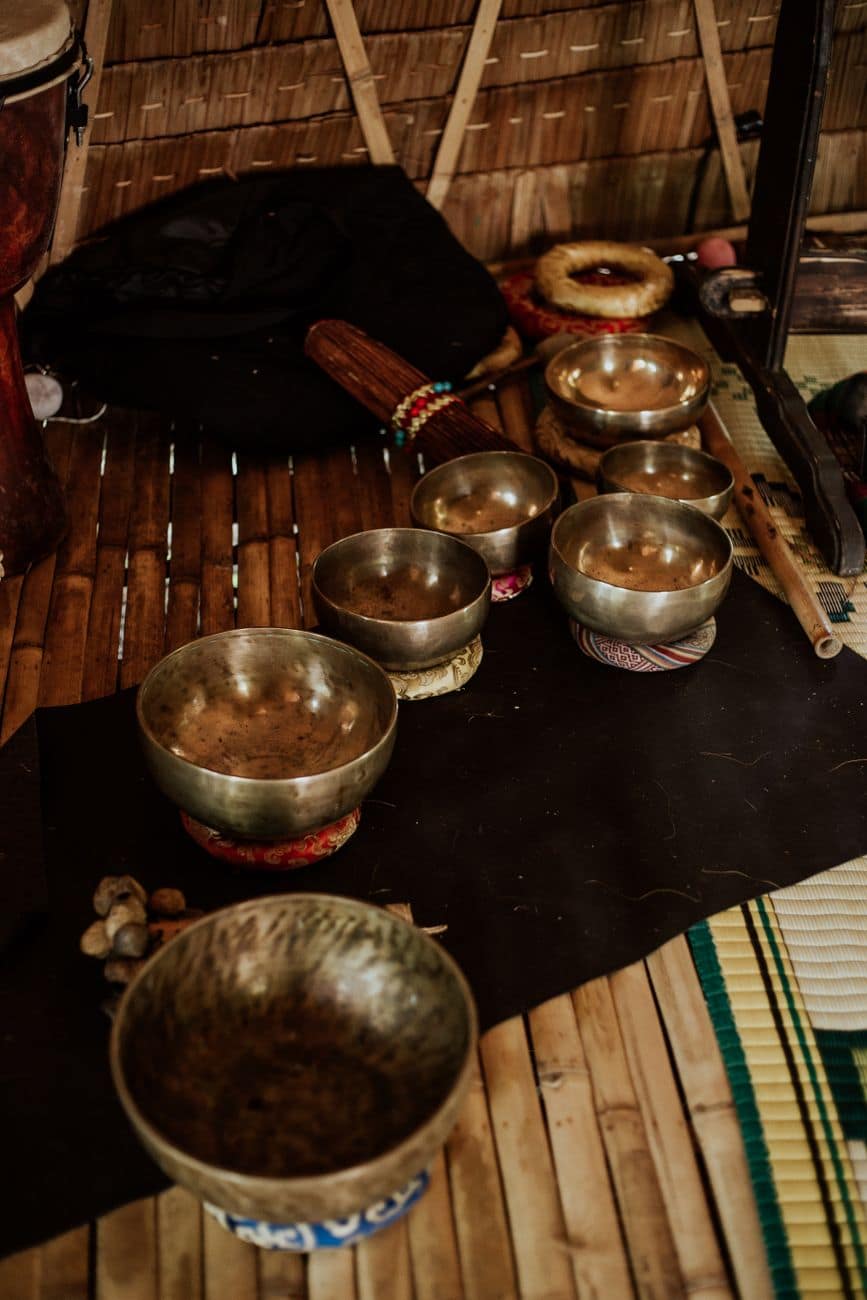
Today, sound meditation has experienced a global resurgence. Modern sound baths often combine ancient instruments such as gongs, singing bowls, drums, and chimes with contemporary wellness practices. While techniques have evolved over time, the core purpose remains the same: to use intentional sound and vibration to promote relaxation, mindfulness, self-discovery, and holistic well-being. The growing popularity of sound meditation reflects humanity’s enduring recognition that sound has the power to heal, connect, and transform.
Leave a Reply