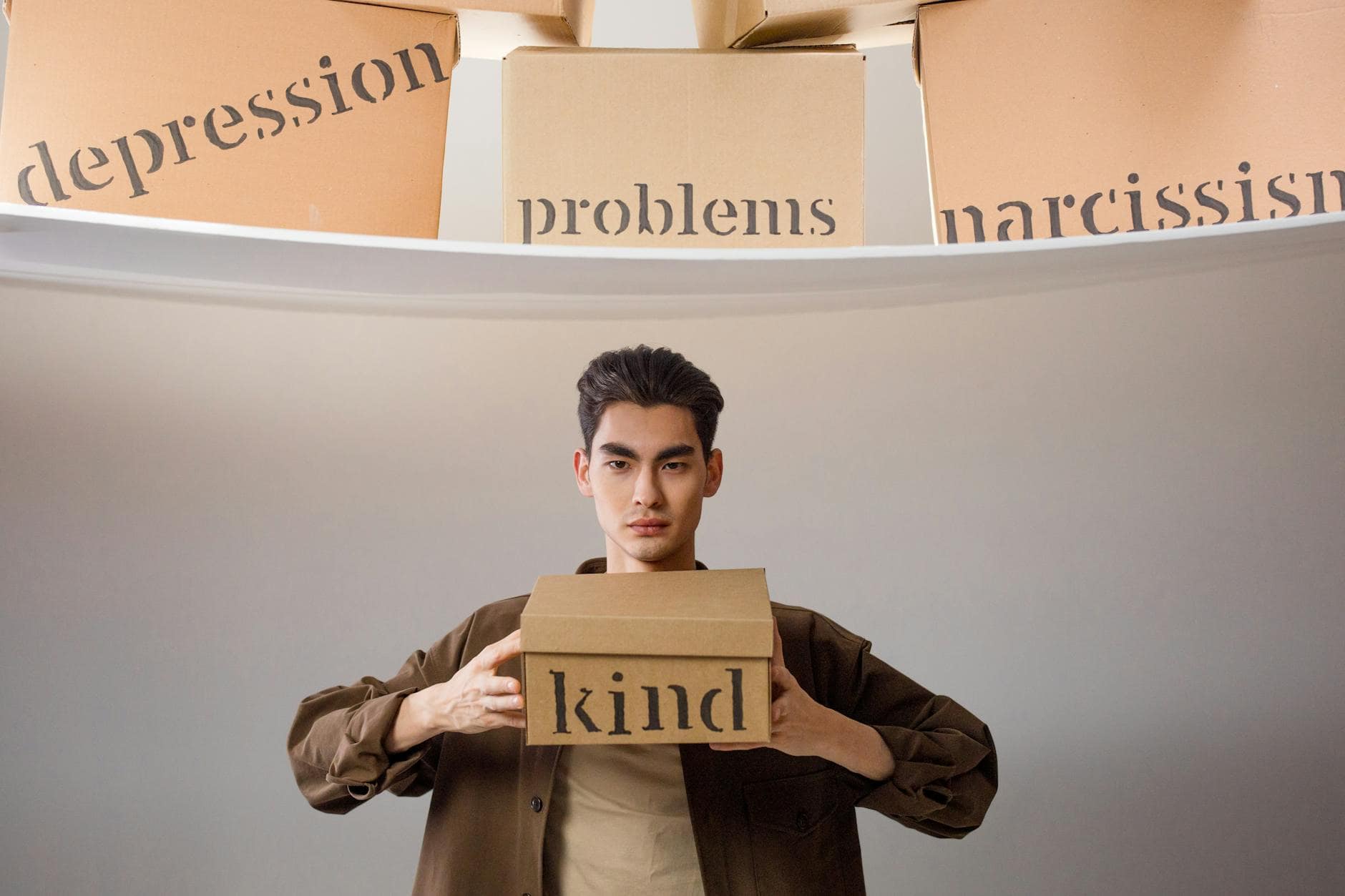
In a world where interpersonal relationships can be complex and challenging, empaths—individuals who are highly attuned to the feelings and emotions of others—often find themselves at risk of being exploited by narcissists. Understanding this dynamic and finding ways to guard against it is crucial for empaths to maintain their emotional well-being and foster healthy relationships.
The Empath-Narcissist Dynamic

The relationship between empaths and narcissists is often characterized by an imbalanced power dynamic. Narcissists thrive on admiration and control, seeking to manipulate the emotions of others to meet their own needs. Empaths, on the other hand, naturally absorb the emotions of those around them, making them particularly vulnerable to manipulation.
This dynamic can lead to a cycle where the empath feels overly responsible for the emotional state of the narcissist, resulting in feelings of guilt or obligation to fix or support them. As this relationship unfolds, the empath may neglect their own emotional needs, leading to chronic feelings of exhaustion, anxiety, or even depression.
Understanding Codependency Traits in Empaths

Many empaths display codependent traits, characterized by a reliance on others for self-worth and emotional stability. Codependency often arises from past traumas or unhealthy family dynamics, leading the empath to prioritize the needs of others over their own. This people-pleasing behavior can attract narcissists, who manipulate the empath’s guilt and fear of abandonment.
Empaths may find themselves:
- Struggling to set boundaries
- Directly feeling the emotional pain of others
- Sacrificing their own needs for the comfort of others
Recognizing these traits is the first step for empaths in breaking unhealthy patterns and safeguarding their emotional health.
Therapeutic Approaches for Empaths

- Therapy and Counseling: Engaging with a therapist who understands empathic traits can provide invaluable insights. Cognitive Behavioral Therapy (CBT) can help empaths develop healthier thought patterns, while somatic therapies can assist in processing emotions stored in the body.
- Establishing Boundaries: Learning to set and maintain healthy boundaries is crucial for empaths. This includes saying no when necessary and distancing themselves from toxic environments or people.
- Mindfulness Practices: Techniques such as meditation, deep breathing, and grounding exercises can help empaths center themselves and detach from absorbing others’ emotions. Mindfulness cultivates self-awareness and emotional resilience, empowering empaths to respond to situations rather than react impulsively.
- Journaling: Writing about feelings and experiences can help empaths process their emotions, gain perspective, and clarify their needs. Journaling serves as an outlet for self-reflection and emotional expression.
- Support Groups: Joining support groups for empaths can provide community and shared understanding. Connecting with others who have similar experiences can foster a sense of belonging and reduce feelings of isolation.
- Self-Care: Regular self-care practices—such as spending time in nature, indulging in hobbies, or practicing creative activities—can recharge the empath’s energy. Self-care helps empaths reconnect with themselves and their own needs, rather than getting lost in the emotions of others.
- Education and Awareness: Understanding the traits of narcissism and recognizing red flags can empower empaths to spot unhealthy relationships early. Learning about emotional health can also provide strategies to disengage from harmful dynamics.
Conclusion
Protecting oneself from narcissists is essential for empaths to preserve their emotional health and foster empowering relationships. By understanding the dynamics at play and recognizing any codependency traits, empaths can take proactive steps towards self-awareness and healing.
Therapeutic techniques, support systems, and self-care practices can guide empaths on their journey towards emotional resilience, allowing them to thrive in a world filled with diverse personalities. Ultimately, fostering healthy boundaries and prioritizing one’s emotional well-being serve as vital tools in the empath’s toolkit.
Leave a Reply